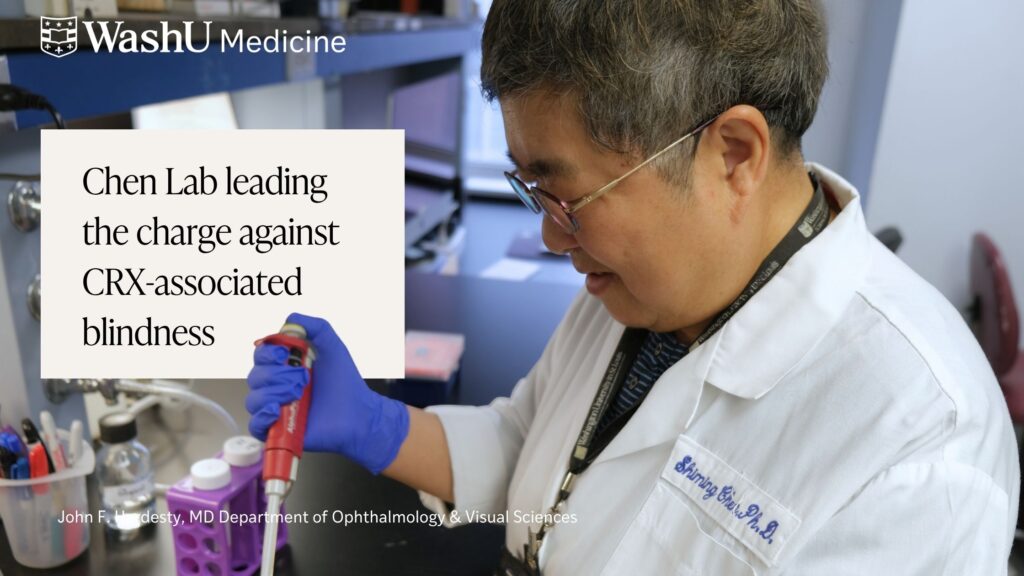
Shiming Chen, PhD, and her team are developing mechanism-based gene therapies to restore vision.
Shiming Chen, PhD, the Dr. Bernard and Janet R. Becker Distinguished Professor of Ophthalmology at WashU Medicine John F. Hardesty, MD Department of Ophthalmology & Visual Sciences, is spearheading research to understand and treat CRX-associated retinopathies. These inheritable blinding diseases are caused by mutations in the CRX (cone-rod homeobox) gene, a critical transcription factor that regulates the development and maintenance of photoreceptor cells in the retina. Currently, there is no available treatment for these conditions, which vary widely in severity and age of onset.
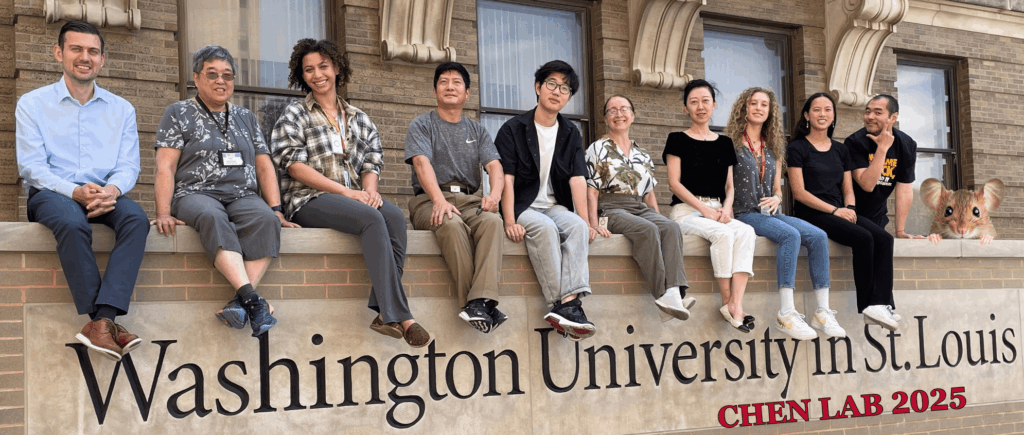
The Chen Lab utilizes advanced mouse models and human “retinal organoids”—miniature human retinas grown in a dish from patient-derived stem cells—to decipher how specific mutations disrupt CRX function. By grouping these mutations into four distinct classes based on their pathogenic mechanisms, the lab has identified pathways that could be targeted by a single therapy. This classification system bridges a major knowledge gap, moving the field closer to precision medicine where treatments can be tuned to the specific needs of individual patients.
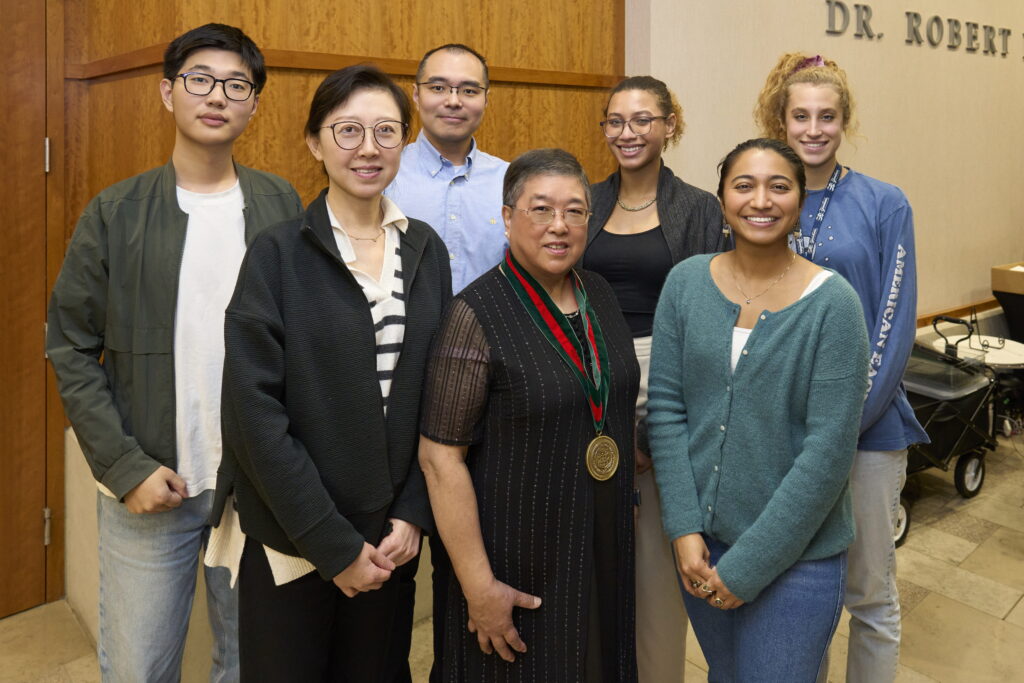
One significant milestone involves Class III mutations, which are often linked to dominant cone-rod dystrophy. A recent preprint by Chen and Dr. Chi Sun in bioRxiv describes a preclinical CRX augmentation therapy that improved visual function and cell survival in mouse models. This follows a 2025 publication in Genome Research by former lab member Yiqiao Zheng, PhD, which detailed the unique developmental defects associated with Class II mutations.
Driven by the lived experiences of patients participating in their multi-center natural history study, the Chen Lab is now focused on optimizing these gene therapies for higher efficacy and long-term safety. By validating their findings in human cellular models, they are working to ensure these laboratory breakthroughs can one day be translated into clinical trials.
About WashU Medicine
WashU Medicine is a global leader in academic medicine, including biomedical research, patient care and educational programs with 2,900 faculty. Its National Institutes of Health (NIH) research funding portfolio is the second largest among U.S. medical schools and has grown 56% in the last seven years. Together with institutional investment, WashU Medicine commits well over $1 billion annually to basic and clinical research innovation and training. Its faculty practice is consistently within the top five in the country, with more than 1,900 faculty physicians practicing at 130 locations and who are also the medical staffs of Barnes-Jewish and St. Louis Children’s hospitals of BJC HealthCare. WashU Medicine has a storied history in MD/PhD training, recently dedicated $100 million to scholarships and curriculum renewal for its medical students, and is home to top-notch training programs in every medical subspecialty as well as physical therapy, occupational therapy, and audiology and communications sciences.