Wang Lab
Qian Wang, PhD
Signaling networks in eye development and diseases
The Wang Lab’s research examines the signaling networks that control ocular tissue development and homeostasis, particularly the ocular lens and ocular gland (lacrimal gland), with an emphasis on how these processes contribute to congenital and degenerative eye diseases.

Research Overview
We use mouse models to investigate signaling networks underlying eye development and the mechanisms of ocular diseases. We are particularly interested in two ocular tissues, the ocular lens and the ocular gland (lacrimal gland).
We use a combination of techniques including mouse genetics, imaging, cell/molecular biology techniques, and computational/bioinformatic analysis. We are also actively exploring the collaboration with clinicians to conduct research with human eye specimens.
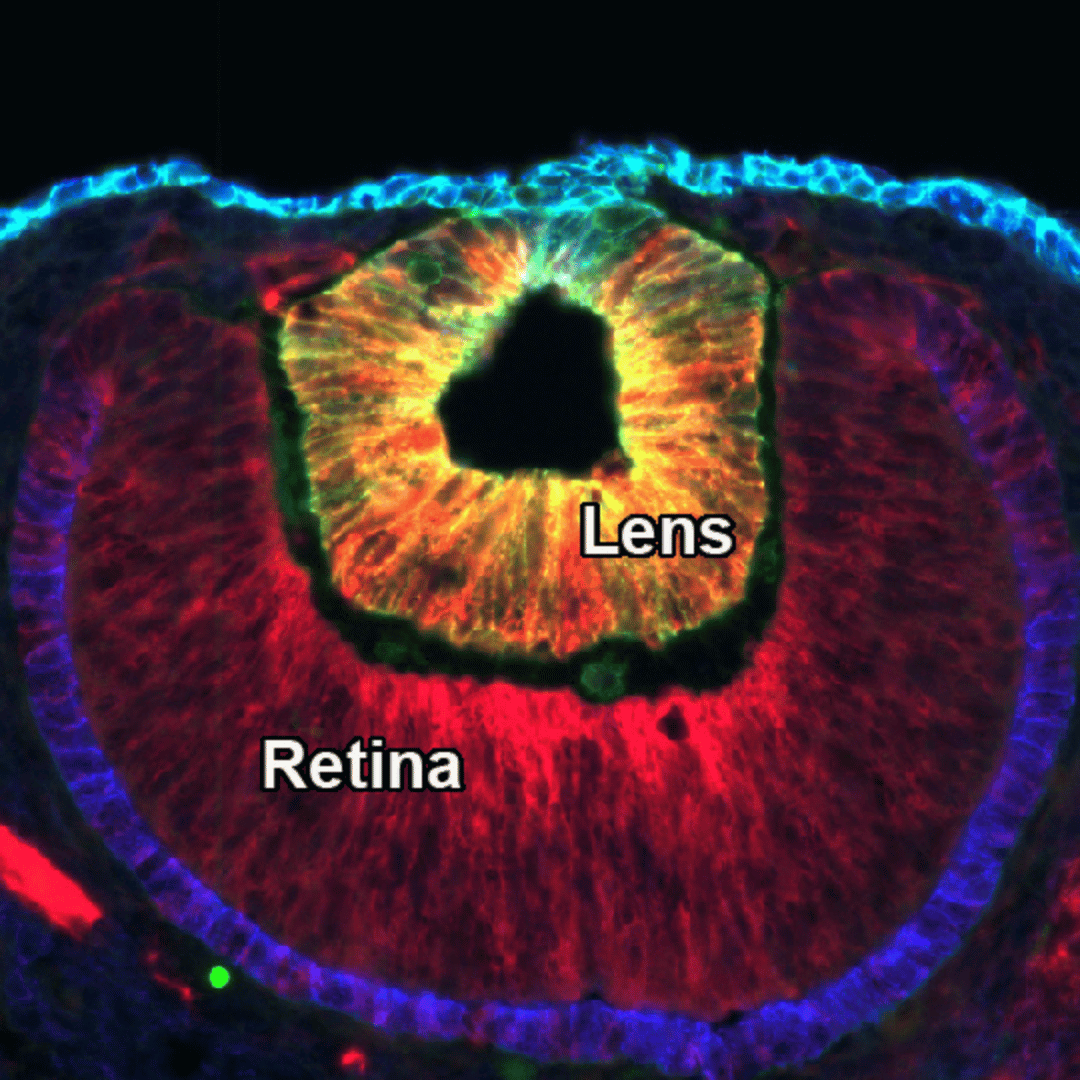
Lens Development
The ocular lens is a transparent structure located at the center of the eye, responsible for focusing light onto the retina to enable clear vision. We are interested in fundamental questions surrounding lens development as well as the mechanisms of lens pathology.
Our research is guided by a fundamental set of questions:
- What signals control lens morphogenesis?
- How do different signaling pathways crosstalk to each other?
- How does lens develop into a transparent structure?
- How does lens maintain its transparency?
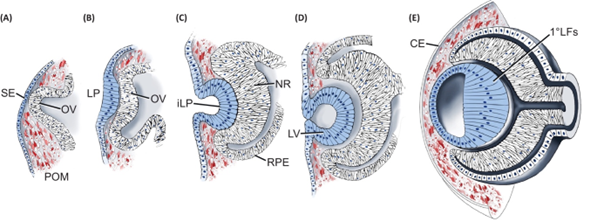
Stages of early lens development in mouse embryos (Cvekl and Zhang, 2017).
Mouse lens development begins with the specification of the lens field (surface ectoderm) at embryonic day E8.5 (A), followed by thickening of the surface ectoderm to form the lens placode at E9.5 (B). At E10.5, the lens placode invaginates to form the lens pit (C), which develops into the lens vesicle by E11.5 (D). Once the lens vesicle separates from the surface ectoderm, the anterior cells maintain their epithelial property while the posterior cells differentiate and elongate into lens fibers (E). Disturbances in these steps can cause lens developmental defects, leading to congenital eye diseases. For examples, failure of lens vesicle separation from the surface ectoderm results in the lens-corneal attachment and formation of persistent lens stalk, a condition known as Peters anomaly in humans. We are currently studying signaling networks that control the lens-corneal separation process.
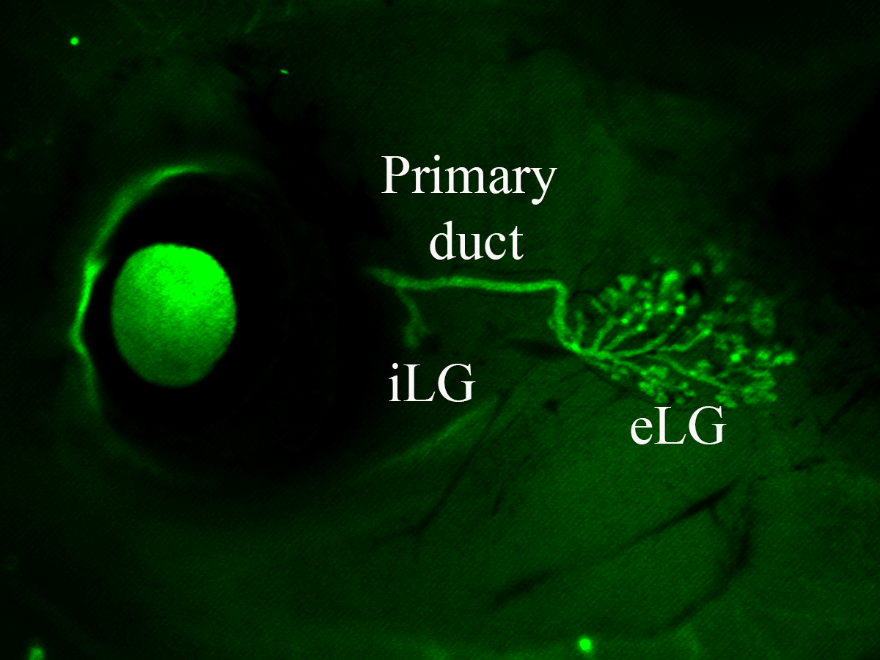
Lacrimal Gland Development
The lacrimal gland is a tear-secreting organ which lubricates and protects the ocular surface. Common conditions related to lacrimal gland dysfunction include dry eye disease, Sjogren’s syndrome (an autoimmune disorder), and dacryoadenitis (inflammation of the lacrimal gland). Understanding lacrimal gland development, function, and pathology is critical for addressing various eye diseases and conditions related to tear production and regulation.

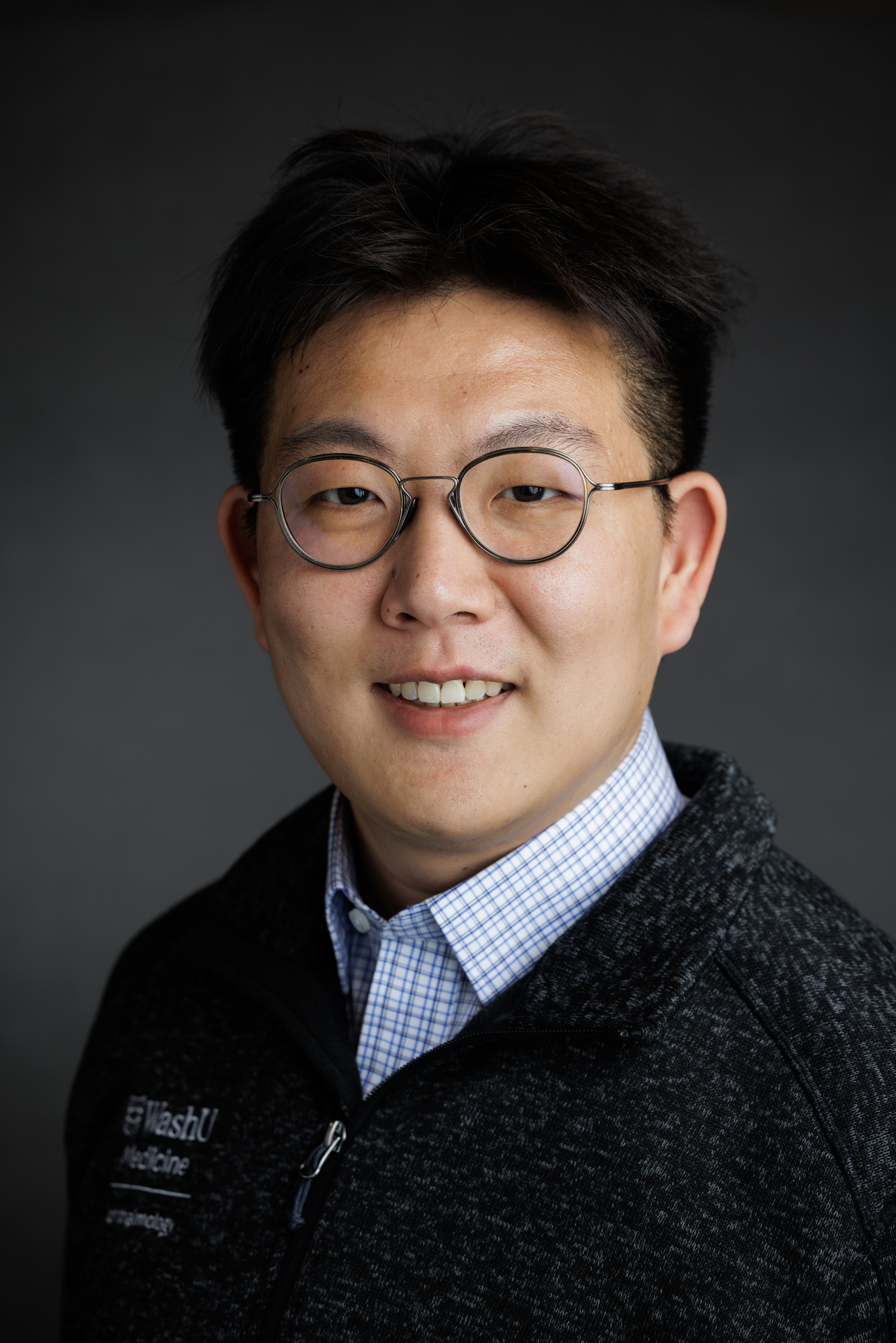
| Qian Wang, PhD Assistant Professor, Ophthalmology and Visual Sciences Knights Templar Eye Foundation awardee 2026-2027 Phone: 314-273-0341 Email: w.qian@wustl.edu Qian earned her bachelor’s degree from Wuhan University College of Sciences. She completed her PhD in Biophysics at the University of Alberta, where she studied TRP channel proteins and their cellular functions. During her postdoctoral training at Columbia University, she further honed her expertise of signaling networks in eye development. |

| Xuetong Zhao, PhD Postdoctoral Research Scientist Email: xuetong@wustl.edu Xuetong’s research journal began during her master’s studies, where she focused on cholesterol metabolism and earned a Master’s degree in Biochemistry and Molecular Biology from Wuhan University. She then completed her PhD in Cell Biology at the University of Münster, where she investigated lipid droplet motility in yeast. In the Wang lab, she studies the role of FGF signaling in lacrimal gland development and homeostasis. |
| Edward Ding, BA DRSCB graduate student-DBBS Email: ding.z@wustl.edu Edward earned his bachelor’s degree from University of Minnesota, where he conducted research on neurodegenerative disease such as Alzheimer’s Disease and Huntington’s disease in Jonathan Sachs’ lab. He started working in Dr. Wang’s lab since 2024 studying signaling pathway during lens development. He is currently pursuing a Ph.D. at WashU’s DBBS Program. |
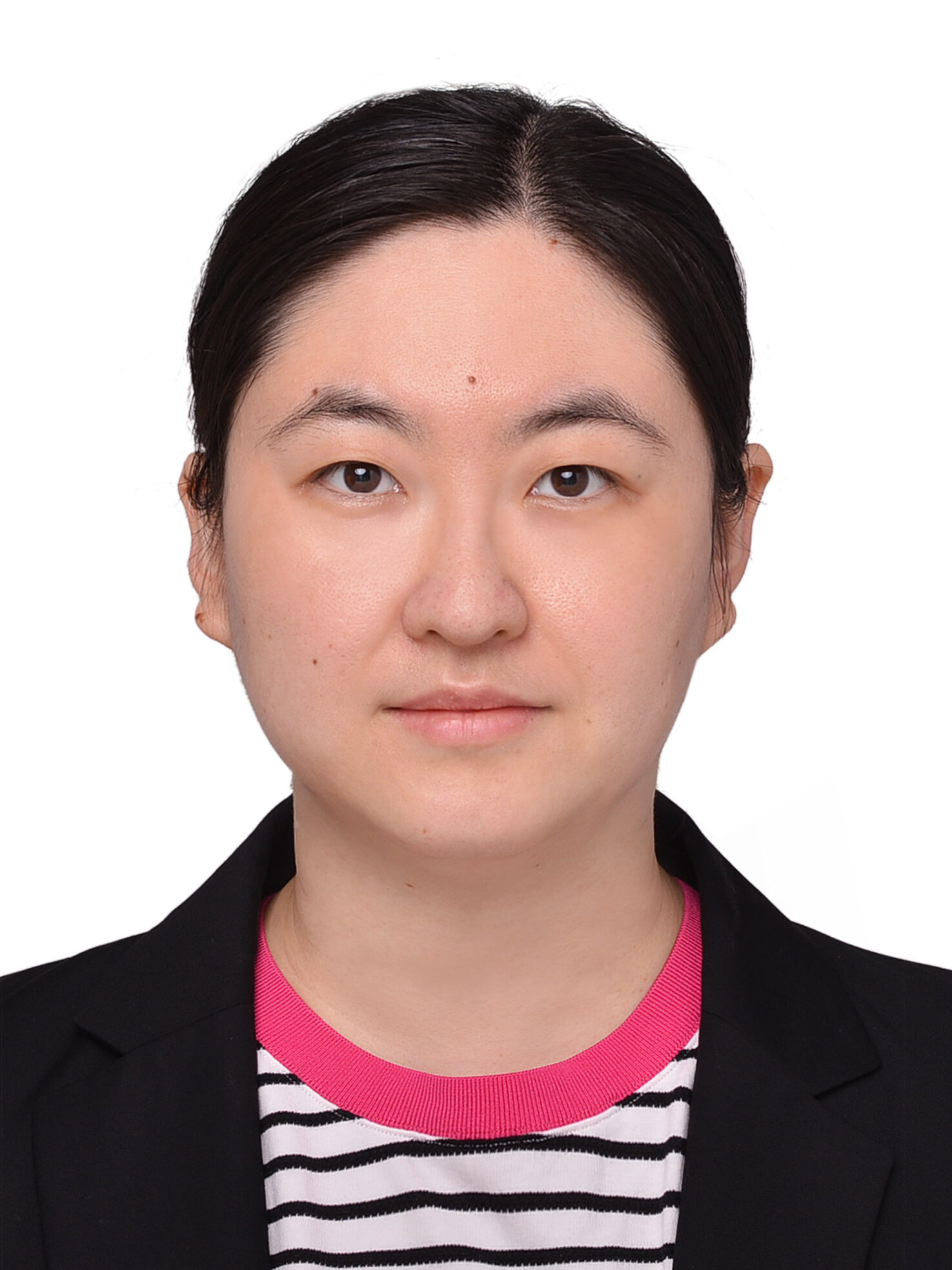
| Wei Li, PhD Staff Scientist Email: lwei@wutl.edu Wei earned her PhD at Jiangsu University College of Medicine, where she investigated the correlations between mesenchymal stem cells and immune cells and their roles in renal tissue regeneration. During her postdoctoral training at Nanjing Medical University, she further investigated the roles of tumor-resident stem cells in tumor immunity. In 2025, she joined Dr. Wang’s lab focusing on the study of FGF signaling in lens development. |
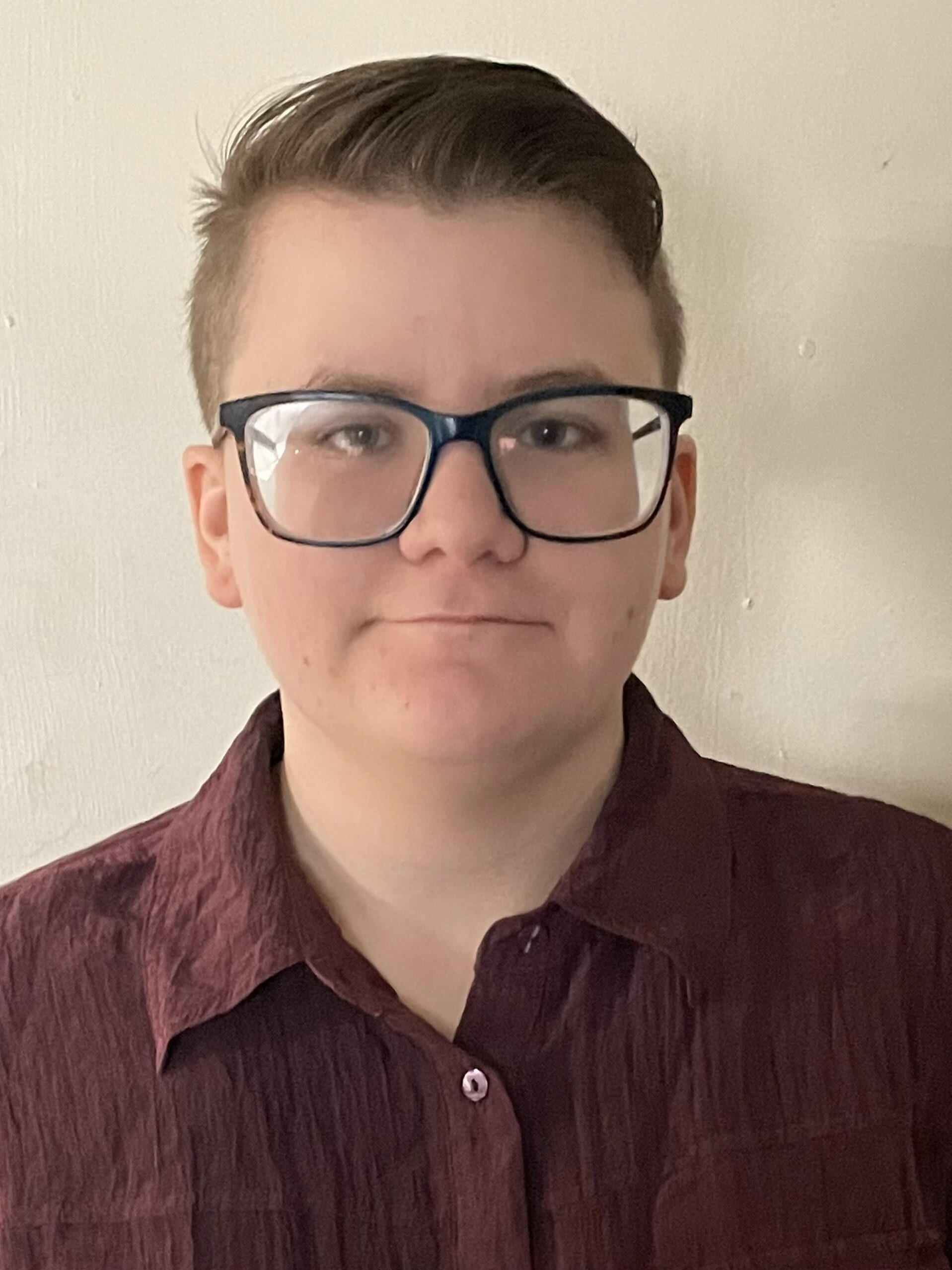
| Nicole Nalley, MS Research Technician II Email: nalley@wustl.edu Nicole earned her bachelor’s and master’s degree from Missouri State University, where she studied the effects of calcitonin gene related peptide (CGRP) on intracellular calcium levels and protein levels in trigeminal ganglion neurons and glia. In 2026, she joined Dr. Wang’s lab studying signaling pathways during lens development. |

Welcome to Dr. Xuetong Zhao!
We are excited to announce that Dr. Xuetong Zhao, PhD will be joining the Wang lab as a postdoctoral researcher in November 2026.
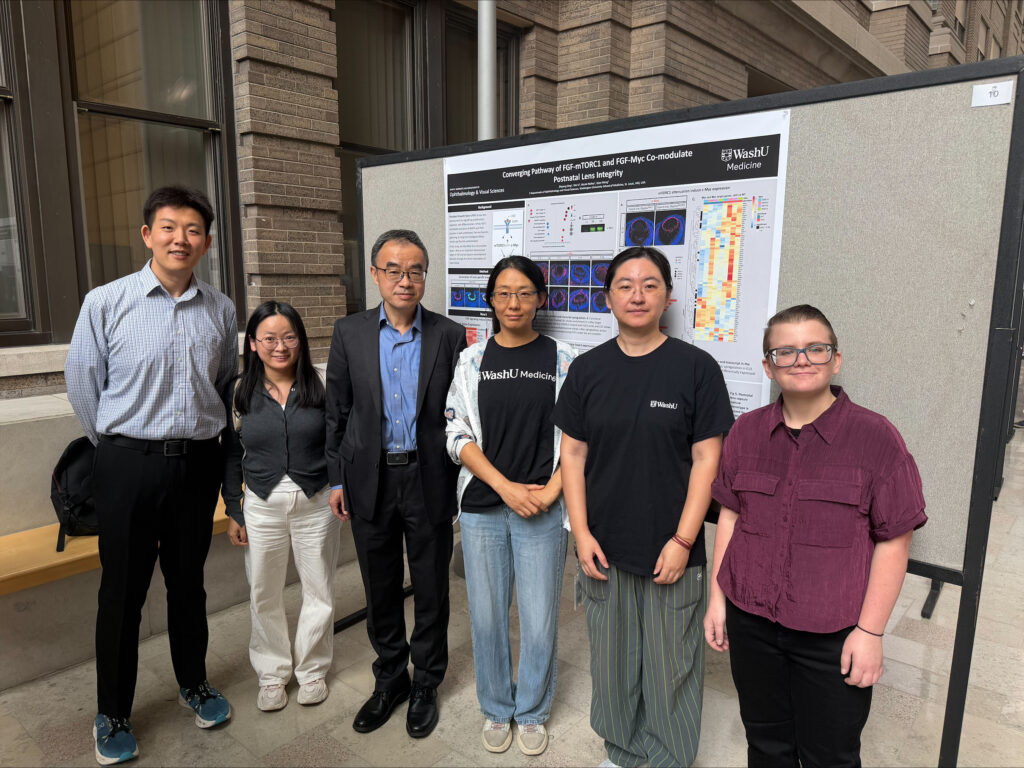
September 24, 2026
Dr. Xin Zhang from Columbia University visited us and joined us in our annual DOVS retreat.
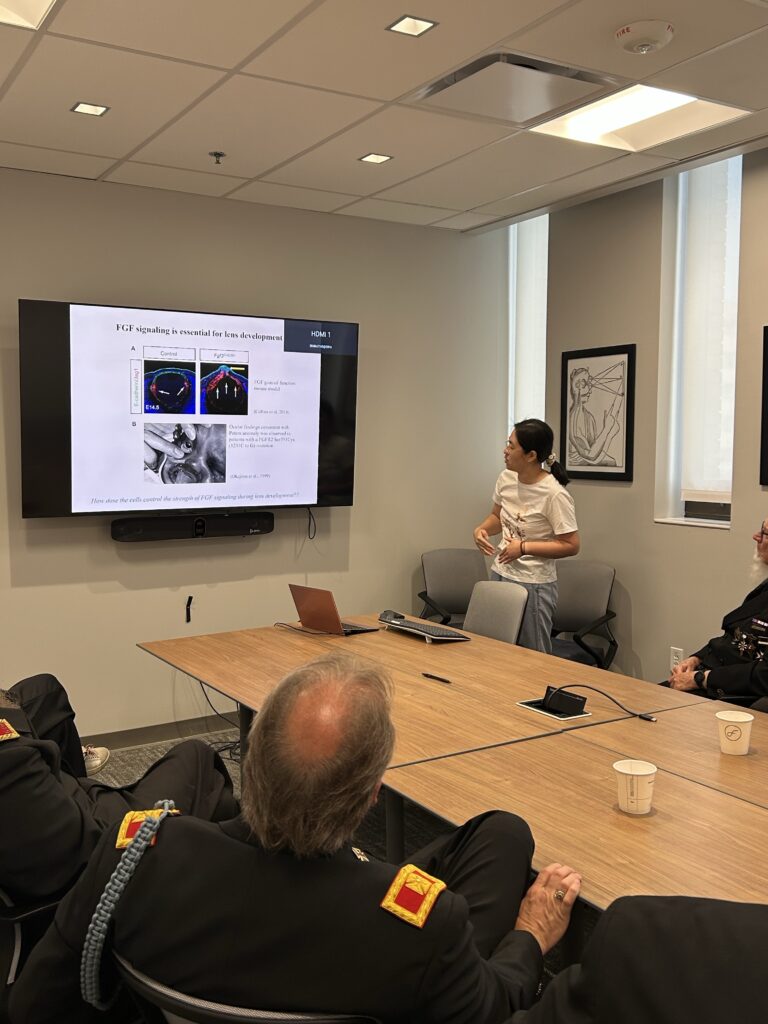
September 9, 2026
The Knights Templar Eye Foundation visited our lab to learn more about our vision research and meet our research team. This visit followed Dr. Wei Li’s receipt of a Knights Templar Eye Foundation Career Starter Grant, which supports her research aimed at advancing our understanding of congenital eye diseases. We are grateful for the foundation’s commitment to supporting vision research.
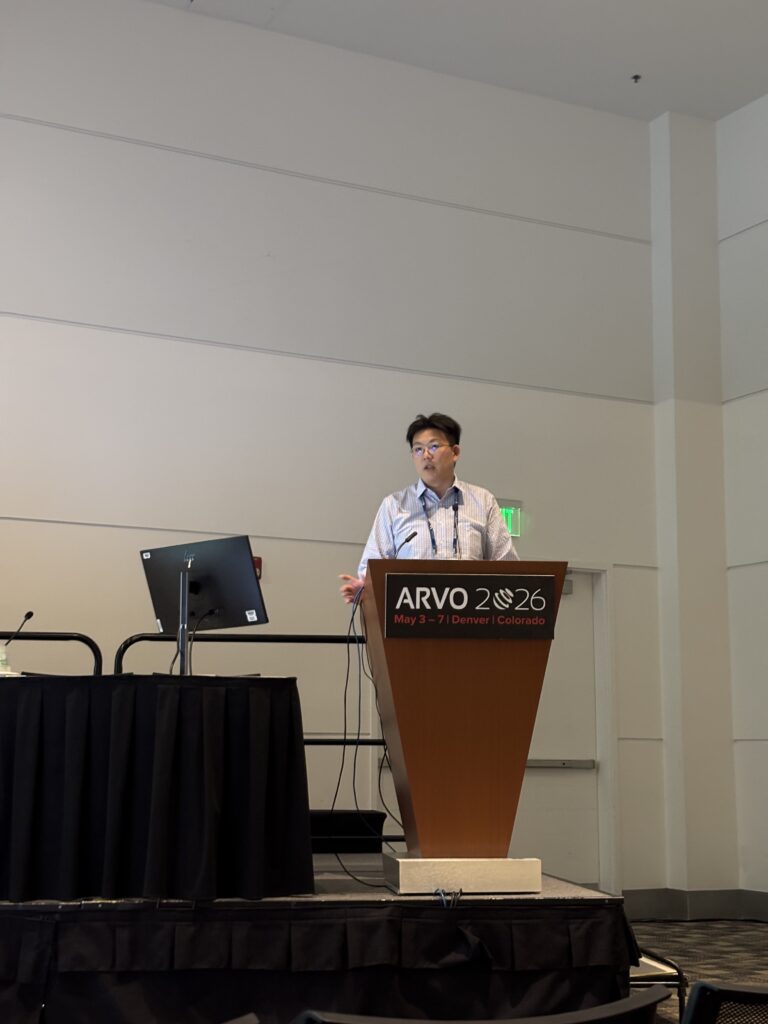 | May 6 2026 Edward presented his work in 2026 ARVO titled “mTORC1 signaling regulates growth and integrity of mammalian cells”. |
 | April 27 2026 Dr. Wei Li received the Knight Templar Eye Foundation career starter award! Wei Li, PhD, Awarded Knights Templar Eye Foundation Career Starter Grant | Ophthalmology & Visual Sciences |
 | April 25 2026 Dr. Qian Wang received the Chinese American Society for Vision Research (CASVR) Junior Faculty Research Excellence Award. CASVR Home |
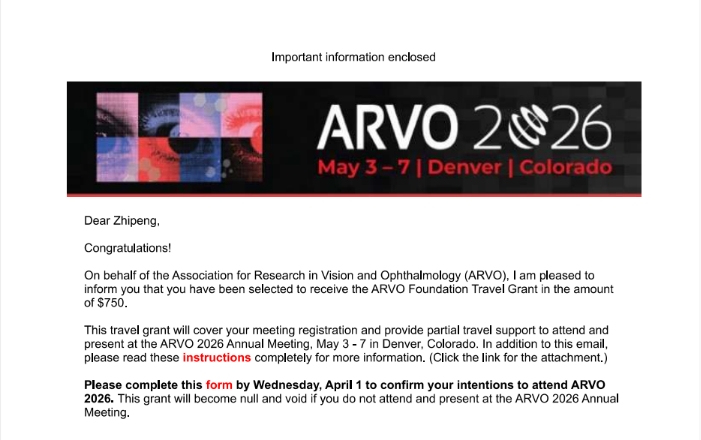 | March 23 2026 travel award ARVO Edward is awarded the ARVO foundation travel grant for attending ARVO 2026 annual meeting and invited to for an oral presentation on his research on the significance of mTOR signaling during lens development. |
| Feb 18 2026 Edward Ding, PhD, admission news Edward was admitted and accepted the offer to become a doctorial student in WashU’s DBBS program in Developmental, Regenerative and Stem Cell Biology. Congratulation on this advancement in his research career! |
 | January 5 2026 Nicole Nalley joined our lab! Welcome! |
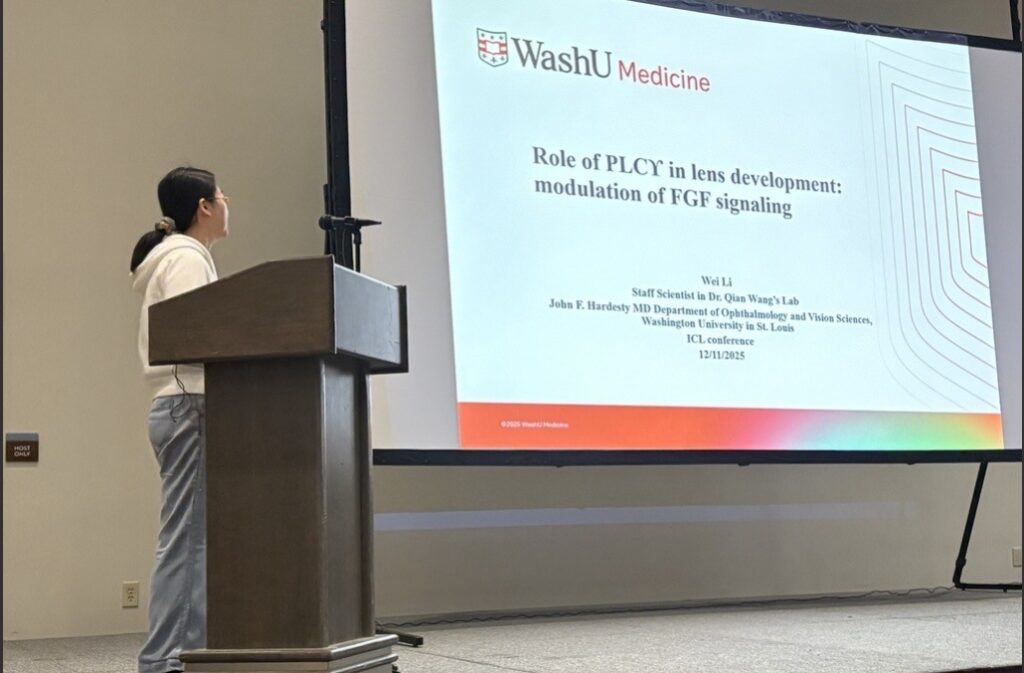 | Dec 11 2025 Dr. Wei Li presented her work in the International Conference on the Lens conference (Program – National Foundation for Eye Research) December 7-12, 2025 in Hawaii! |
 | Oct 7 2025 Science in Focus Image competition award: Edward Ding received the Science in Focus: Art Beyond Microscope people’s choice award at the DOVS annual retreat. |
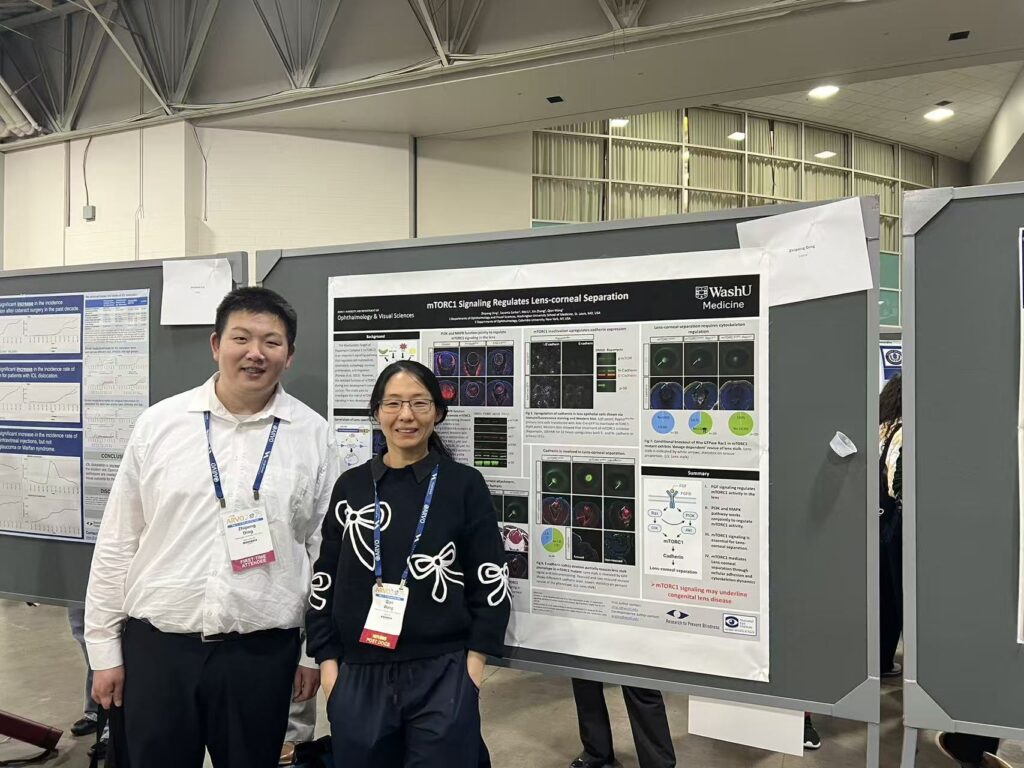 | May 7 2025 ARVO Edward Ding received the MIT Training Award at the 2025 ARVO for his poster titled “mTORC1 Signaling Regulates Lens-Corneal Separation”. This award underscores Edward’s dedication to advancing the understanding of ocular development and disease mechanisms. |
- Wang Q, Wu H, Mao Y, Chow A, Bouaziz M, Wu Y, Zhang X. mTOR regulates Wnt signaling to promote tension-mediated lens vesicle closure. bioRxiv. 2025 Feb 25;. doi: 10.1101/2025.02.24.639869. PubMed PMID: 40060475; PubMed Central PMCID: PMC11888330
- Wang Q, Li H, Mao Y, Garg A, Park E, Wu Y, Chow A, Peregrin J, Zhang X. Shc1 cooperates with Frs2 and Shp2 to recruit Grb2 in FGF-induced lens development. Elife. 2025 May 6;13:RP103615. doi: 10.7554/eLife.103615
- Wang Q, Tao C, Wu Y, Anderson KE, Makrides N, Hannan A, Peregrin J, Lin CS, Ding Z, Li W, Hawkins P, Stephens L, Zhang X. Phospholipase Cγ regulates lacrimal gland branching by competing with PI3K in phosphoinositide metabolism. Cell Rep. 2025 Aug 26;44(8):116046. doi: 10.1016/j.celrep.2025.116046. Epub 2025 Jul 23.
- Wu H, Mao Y, Wang Q, Yu HL, Bouaziz M, Makrides N, Koleske A, Radice G, Ding Z, Zhang X. Abelson kinases regulate FGF signaling independent of Crk phosphorylation to prevent Peters anomaly. bioRxiv. 2024 Oct 26; PubMed Central ID: PMC11526961. Nat Commun. 2026 May 13;17(1). doi: 10.1038/s41467-026-72489-3.
- Hannan A, Wang Q, Wu Y, Qu X, Cardoso W, Zhang X. Crk mediates Csk-Hippo signaling independently of Yap tyrosine phosphorylation in lacrimal gland development. bioRxiv. 2024 Jul 1;. doi: 10.1101/2024.06.27.601065. PubMed PMID: 39005335; PubMed Central PMCID: PMC11244872
- Makrides N#, Wang Q#, Tao C, Schwartz S, Zhang X. Jack of all trades, master of each: the diversity of fibroblast growth factor signalling in eye development. Review. Open Biology. 2022 Jan; 12 (1), 210265 (# Co-first author)
- Wang Q, Tao C, Hannan A, Yoon S, Min X, Peregrin J, Qu X, Li H, Yu H, Zhao J, Zhang X. Lacrimal gland budding requires PI3K-dependent suppression of EGF signaling. Science Advances. 2021 Jun 30;7 (27). Pii:eabf1068
- Balasubramanian R, Min X, Quinn PMJ, Giudice QL, Tao C, Polanco K, Makrides N, Peregrin J, Bouaziz M, Mao Y, Wang Q, da Costa BL, Buenaventura D, Ma L, Tsang SH, Fabre PJ, Zhang X. Phase transition specified by a binary code patterns the vertebrate eye cup. Science Advances. 2021 Nov 12; 7 (46), eabj9846
- Garg A#, Hannan A#, Wang Q#, Makrides N, Zhong J, Li H, Yoon S, Mao Y, Zhang X. Etv transcription factors functionally diverge from their upstream FGF signaling in lens development. Elife. 2020 Feb 11;9. Pii: e51915 (# Co-first author)
- Garg A, Hannan A, Wang Q, Collins T, Teng S, Bansal M, Zhong J, Xu K, Zhang X. FGF-induced Pea3 transcription factors program the genetic landscape for cell fate determination. PloS Genetics. 2018 Sep 6;14(9):e1007660
- Zheng W, Shen F, Hu R, Roy B, Yang J, Wang Q, Zhang F, King JC, Sergi C, Liu SM, Cordat E, Tang J, Chen XZ. Far Upstream Element-Binding Protein 1 Binds the 3’ Untranslated Region of PKD2 and Suppresses Its Translation. Journal of the American Society of Nephrology. 2016 Sep;27(9):2645-57
- Wang Q, Zheng W, Wang Z, Yang J, Hussein S, Tang J, Chen XZ. Filamin-A increases the stability and plasma membrane expression of polycystin-2. PLoS One. 2015 April 10;10(4):e0123018
- Hussein S, Zheng W, Dyte C, Wang Q, Yang J, Zhang F, Tang J, Cao Y, Chen XZ. Acid-induced off-response of PKD2L1 channel in Xenopus oocytes and its regulation by Ca. Scientific Reports. 2015 Oct 27;5:15752
- Schorr S, Klein MC, Gamayun I, Melnyk A, Jung M, Schäuble N, Wang Q, Hemmis B, Bochen F, Greiner M, Lampel P, Urban SK, Hassdenteufel S, Dudek J, Chen XZ, Wagner R, Cavalié A, Zimmermann R. Co-chaperone Specificity in Gating of the Polypeptide Conducting Channel in the Membrane of the Human Endoplasmic Reticulum. Journal of Biological Chemistry. 2015 Jul 24;290(30):18621-35
- Hu Q, Wu Y, Tang J, Zheng W, Wang Q, Nahirney D, Duszyk M, Wang S, Tu JC, Chen XZ. Expression of polycystins and fibrocystin on primary cilia of lung cells. Biochemistry and Cell Biology. 2014 Dec;92(6):547-54
- Yang J, Zheng W, Wang Q, Lara C, Hussein S, Chen XZ. Translational up-regulation of polycystic kidney disease protein PKD2 by endoplasmic reticulum stress. FASEB Journal. 2013 Dec;27(12):4998-5009
- Wang Q, Dai XQ, Li Q, Tuli J, Liang G, Li SS, Chen XZ. Filamin interacts with ENaC and inhibits its channel function. Journal of Biological Chemistry. 2013 Jan 4;288(1):264-73
- Wang Q, Dai XQ, Li Q, Wang Z, Cantero Mdel R, Li S, Shen J, Tu JC, Cantiello H, Chen XZ. Structural interaction and functional regulation of polycystin-2 by filamin. PLoS One. 2012;7(7):e40448
- Yang J, Wang Q, Zheng W, Tuli J, Li Q, Wu Y, Hussein S, Dai XQ, Shafiei S, Li XG, Shen PY, Tu JC, Chen XZ. RACK1 interacts with Pkd2L1 and inhibits its channel function. Journal of Biological Chemistry. 2012 Feb 24; 287: 6551-656