Uveitis might sound like a rare eye condition, but it affects thousands of people each year—causing discomfort, vision problems, and concern for long-term eye health. If you’ve recently been diagnosed or are supporting a loved one with uveitis, here’s what you need to know about the condition, its causes, treatment options, and why there’s real hope for better outcomes thanks to ongoing research.
What is Uveitis?
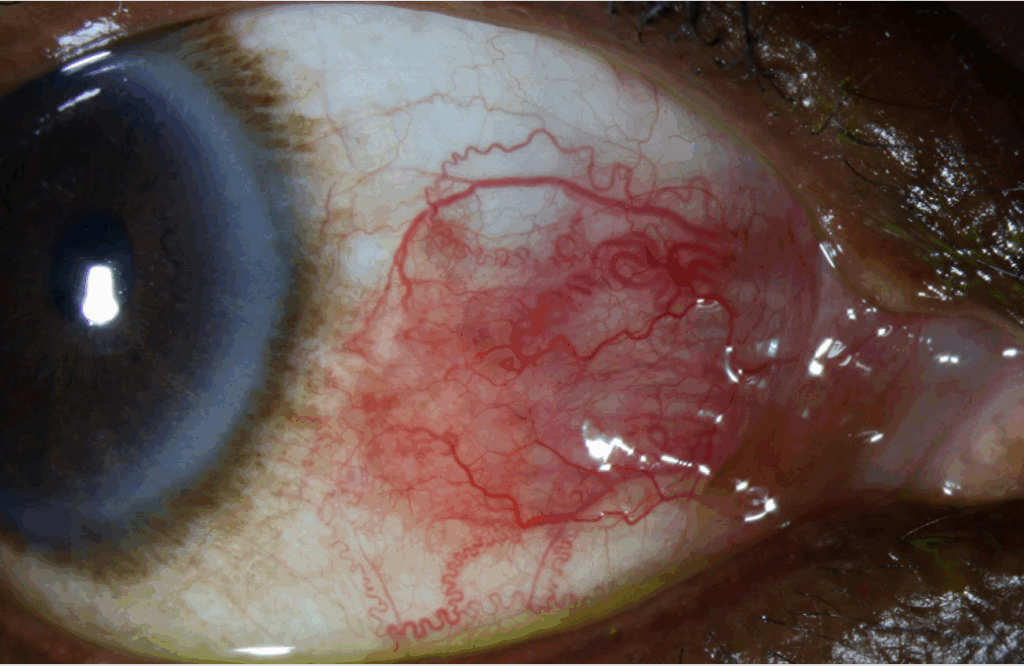
Uveitis is inflammation that occurs inside the eye, usually when the immune system goes into overdrive and mistakenly attacks healthy eye tissue. This can happen after an infection—but often, no active infection is present. Instead, uveitis is typically linked to autoimmune conditions like multiple sclerosis or ankylosing spondylitis.
Why Does the Immune System Attack the Eye?
The eye is a complex and sensitive organ. Sometimes, after fighting off a true infection, the immune system gets a little too protective, mistaking healthy eye tissue as dangerous. This misdirected attack results in the inflammation we call uveitis.
Types of Uveitis
Uveitis is classified based on where the inflammation occurs in the eye:
- Anterior Uveitis (Iritis): Inflammation at the front of the eye.
- Intermediate Uveitis: Inflammation in the middle part of the eye.
- Posterior Uveitis: Inflammation at the back of the eye (often affecting the retina or choroid).
- Other inflammatory eye conditions may be present too, including keratitis (cornea), scleritis (white of the eye), and orbital inflammation (behind the eye).
How is Uveitis Diagnosed?
Diagnosing uveitis goes beyond just looking at the eye. Doctors often run tests to look for systemic inflammation or infection, including:
- Bloodwork for infection or immune markers
- Chest X-rays to check for lung inflammation
- Obtaining fluid samples from the eye for diagnostic testing
- Additional diagnostic imaging depending on symptoms
The goal? Tailor treatment to your individual disease to minimize medications and preserve vision.
Treatment Options
Treatment varies depending on whether the uveitis is infectious or autoimmune:
Infectious Uveitis:
- Antibiotics or antivirals are used to treat the root cause
- Corticosteroids help control inflammation that can cause collateral damage
Autoimmune Uveitis:
- Corticosteroids (eye drops, pills, or injections) are the first line of defense
- Immunomodulatory therapy (steroid-sparing) options offer long-term control with fewer side effects over time
Note: Lifestyle changes like quitting smoking can also make a measurable difference in managing uveitis.
Expert Insight
“There are many ways that inflammation can affect the eyes. It is our goal to figure out the right therapy for each individual, and to work to develop the precision diagnostics and therapies that will make treatment of uveitis better in the future.”
— James Walsh, MD, PhD, Uveitis Specialist and Director of the Walsh Lab at WashU Medicine
Advancing Research: The Walsh Lab
Cutting-edge research is happening right here at WashU Medicine, where Dr. James Walsh leads the Walsh Lab—a collaborative research group dedicated to understanding the mechanisms of uveitis and other ocular inflammatory diseases. The team investigates how immune cells behave in the eye and develops new imaging and therapeutic strategies to improve outcomes for patients with vision-threatening conditions.
Their work spans basic science, translational studies using patient samples, and clinical trials. This kind of innovative, cross-disciplinary research holds promise for more personalized and effective uveitis care.
How You Can Help
Support ongoing innovation by:
- Participating in clinical studies
- Donating to research initiatives
- Advocating for public funding of eye health research
There’s Hope for a Clearer Future
Uveitis can be scary—but with proper diagnosis, thoughtful treatment, and the support of specialists like those at WashU Medicine, most patients go on to lead full, visually healthy lives. Whether you’re just beginning your journey or exploring new treatment options, know that research-backed care and compassionate specialists are here for you every step of the way.